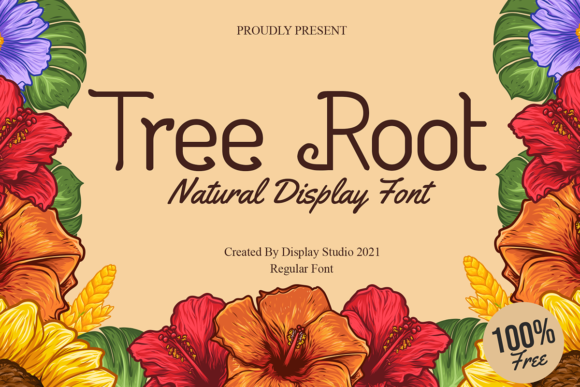
Tree Root: A Natural Display Font for Digital Branding
In the landscape of web design, a typographic choice can define the entire atmosphere of a digital experience. Tree Root emerges as a natural display font offering a distinct visual texture. Its organic, handcrafted essence lends an immediate sense of authenticity and warmth, making it a compelling asset for designers focused on building brand-centric online spaces.
Using Tree Root for Brand Logos and Digital Identity
The strength of Tree Root as a display font begins with its suitability for core brand elements. When establishing a consistent online identity, a logo must translate seamlessly from physical print to digital screens. Tree Root’s natural, characterful forms are ideal for logo text on website headers, app icons, and social media profiles. This font injects a grounded, trustworthy personality, fostering brand recognition and trust at the first point of user contact.
Tree Root for Conversion-Focused Landing Page Headers
On landing pages and product screens, the hero section’s typography must capture attention and communicate value instantly. Using Tree Root for the primary headline establishes a unique visual hierarchy, setting the tone before the user scans any body copy. Its distinctive style prevents the layout from feeling generic, which can directly support conversion by making the offer feel more personal and crafted.
Enhancing Visual Hierarchy in Website Layouts
Effective web design relies on clear visual hierarchy to guide the user’s eye. Tree Root serves as a powerful tool for this purpose. Employ this font strategically for key sectional headings, call-to-action buttons, or featured quotes within content. Its organic weight and form naturally draw focus, creating clear separation from simpler body fonts. This improves scanning behavior, helping users find information faster and improving overall usability.
Tree Root for Online Store Banners and Promotional Graphics
For e-commerce and online stores, promotional banners need to stand out without overwhelming the product grid. A display font like Tree Root can elevate seasonal sale headers, limited-time offer announcements, or collection launch graphics. It adds a bespoke, premium feel that aligns with boutique or creative brand tones, enhancing the perceived value of the products showcased.
When implementing Tree Root in banners, consider contrast and readability on varied backgrounds. Ensure sufficient color differentiation and avoid using the font at very small sizes on mobile screens. Its natural details are best preserved at sizes large enough to be appreciated.
Pairing Tree Root with Web Fonts for Optimal Readability
While Tree Root excels as a display font, body copy readability is paramount. For a balanced and professional web layout, pair Tree Root with a clean, neutral sans-serif or simple serif font for paragraphs and UI text. This combination allows the decorative font to shine in headlines while maintaining effortless reading for longer content sections across desktop and mobile responsive layouts.
Consider the brand tone when selecting a pair. For a more editorial or traditional digital identity, a classic serif body font might complement Tree Root’s natural aesthetic. For a modern, minimalist site, a geometric sans-serif would provide a clean counterpoint.
Applying Tree Root to Invitations and Greeting Cards for Digital Campaigns
The product description notes Tree Root’s perfection for invitations and greeting cards—a use case that extends directly into digital campaigns. Email marketing invitations for webinars or events, digital greeting cards in blog posts, or celebratory announcements on a website can all leverage this font’s inherent warmth and personality. It transforms standard digital communications into memorable, branded touchpoints.
Tree Root in Portfolio Sites and Creative Web Experiences
For web designers, UI designers, and digital product creators showcasing their own work, a portfolio site is a critical brand asset. Using Tree Root for your own site’s branding, project titles, or key introductory statements reinforces your creative sensibility. It signals an attention to craft and detail, setting a tone that can attract clients looking for a distinctive design approach.
Similarly, for creative entrepreneurs, coaches, or course creators, a website built around authentic connection benefits from this font’s natural appeal. It can be applied to course sales page headers, coaching service titles, or blog graphics to create a consistent and engaging branded web experience.
Technical Considerations for Using Tree Root on Websites
Before integrating Tree Root into your web projects, verify its technical suitability. Check for available webfont formats (typically .woff or .woff2) to ensure smooth rendering across browsers. Confirm the licensing covers commercial use for client websites, online stores, landing pages, and digital templates. Assess if the font family includes multiple weights or alternates, which provide flexibility for different digital contexts, from bold hero titles to lighter accent text.
Always test the font on various devices and screen sizes. Display fonts with intricate details require careful sizing to maintain legibility, especially on small mobile buttons or in dense content sections. Pairing it with ample white space and high-contrast colors will ensure its aesthetic enhances the design without compromising functionality.
Ultimately, Tree Root is more than just a fonts file; it’s a design asset that can elevate a digital brand’s voice. By thoughtfully applying this natural display font to logos, headers, banners, and key interactive elements, web designers create not just usable layouts, but memorable online identities that resonate with audiences and support business goals.